

The Binance hack 2026 is one of the largest theft incidents in crypto history. On October 29, 2026, attackers reportedly drained an estimated $6.3 billion in digital assets from Binance’s hot wallets. If you hold crypto on any platform, this incident matters to you. This guide explains what happened, how the attack reportedly worked, and what you can do to protect your own assets.
If you are new to online security, our cybersecurity checklist for beginners covers the basics before you start.
Table of Contents
- What Happened in the Binance Hack 2026
- How the Binance Hack 2026 Reportedly Worked
- Was Bitcoin Itself Hacked?
- Who Was Behind the Binance Hack 2026?
- How Much Was Stolen in the Binance Hack 2026?
- How Binance Responded
- What the Binance Hack 2026 Means for Crypto Users
- Checklist: Protect Your Crypto After a Major Exchange Hack
- Frequently Asked Questions
- Conclusion
What Happened in the Binance Hack 2026
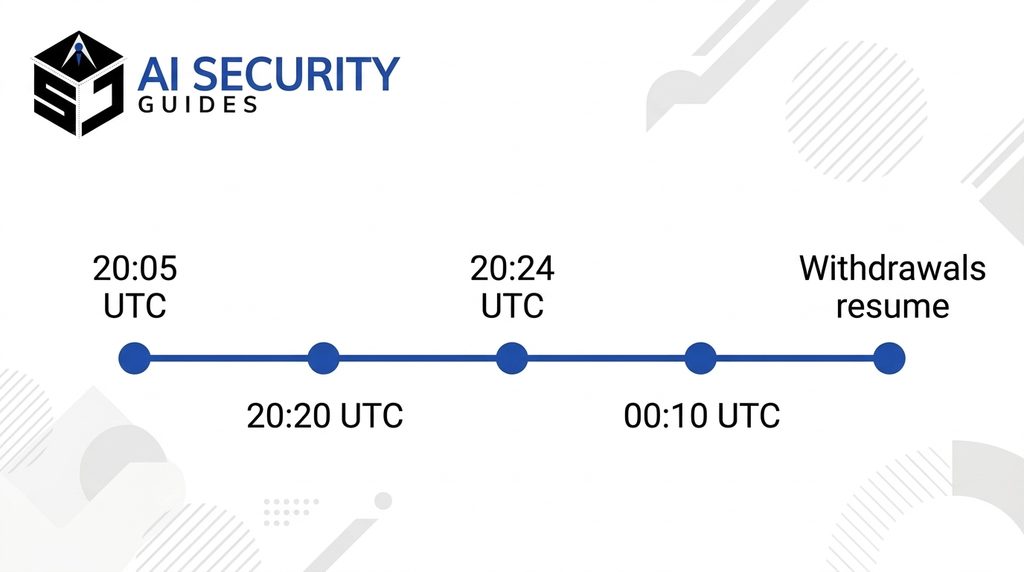
Few incidents have shaken the crypto market like the Binance hack 2026. On October 29, 2026, Binance reported unauthorized withdrawals from its hot wallets. A hot wallet is a crypto wallet connected to the internet, and exchanges use it to process customer withdrawals quickly. According to Binance’s public update, the first unauthorized transfers began at about 20:05 UTC. Most of the funds left within roughly 20 minutes.
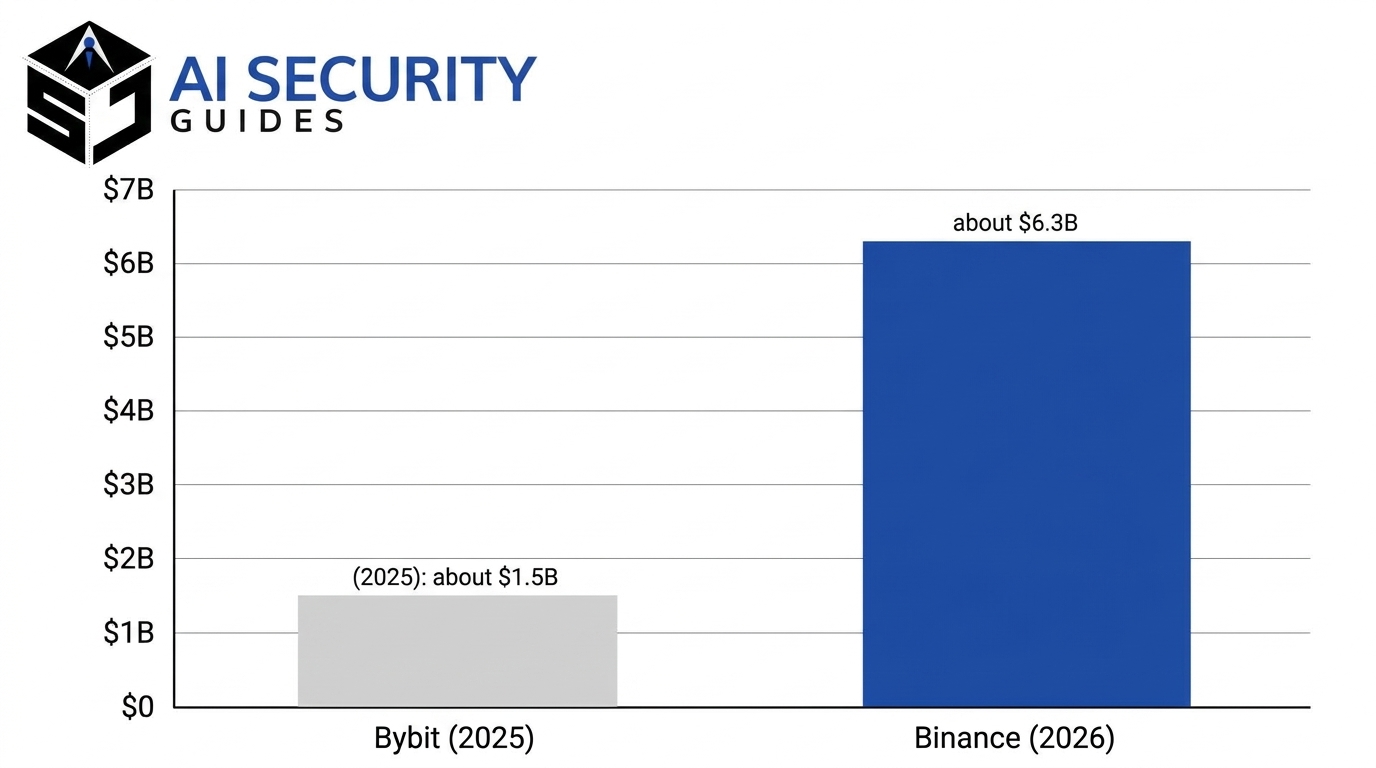
Binance estimated the total impact at about $6.3 billion. Independent analysts placed the figure between $6.36 billion and $6.4 billion. The funds came from the exchange’s own wallets, not from individual customer accounts. Even so, the scale of the event is what made it so significant.
Timeline of the Binance Hack 2026
Blockchain analysts have reconstructed the sequence in some detail. Attackers prepared an operator wallet and tested their code in the hours before the main theft. Around 20:20 UTC, they emptied one Ethereum hot wallet in under four minutes. Attackers also hit wallets on other blockchains around the same time. Binance later reported additional entry points, which suggests the breach reached beyond a single device.
How the Binance Hack 2026 Reportedly Worked
Exchanges move money by signing transactions with keys held in their wallet systems. Signing is the step that approves a transfer on the blockchain. Analysts who studied the Binance hack 2026 pointed to a compromise of this signing infrastructure, meaning the systems that approve and send transactions. In that scenario, attackers would not need to steal private keys directly. Instead, they could make the legitimate system sign transfers on their behalf.
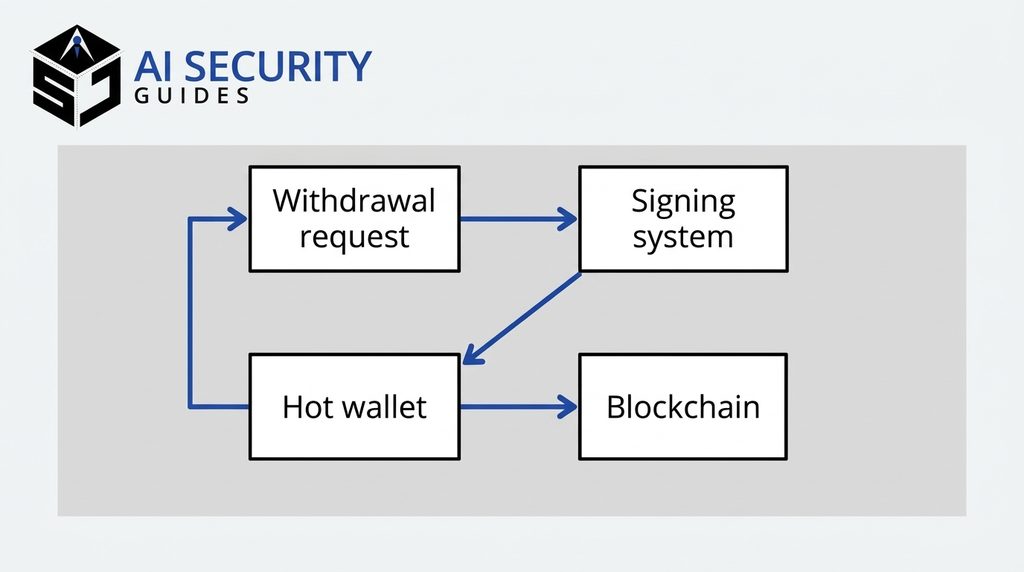
Binance said it found no evidence that wallet private keys were leaked. Its first assessment pointed to a compromised employee laptop, but later findings described more breach points. The full technical report was not public when this guide was written, so treat early details as preliminary.
Was Bitcoin Itself Hacked?
No. The Bitcoin blockchain was not broken, even during the Binance hack 2026. Bitcoin was among the assets drained from Binance’s wallets, but the attack targeted the exchange’s infrastructure, not Bitcoin’s cryptography. Think of it like a bank vault. The lock is still strong, but someone gained access to the system that opens it.
Bitcoin’s price reportedly fell in the hours after the news. Market moves have many causes, so the hack should not be treated as the only explanation.
Who Was Behind the Binance Hack 2026?
Attribution is one of the hardest parts of any cybercrime investigation. Blockchain analysis firms reported technical similarities with earlier thefts linked to North Korean hacking groups. One example is the 2025 Bybit theft of about $1.5 billion, which the FBI linked to North Korea. Some reports connect the Binance attack to the same pattern.
Check official government statements before you treat any attribution as settled. Early analyst findings are useful, but they are not the same as a confirmed legal conclusion. The investigation into the Binance hack 2026 remained open at the time of writing.
How Much Was Stolen in the Binance Hack 2026?
The total loss from the Binance hack 2026 was estimated at about $6.3 billion across several assets, not Bitcoin alone. Reporting describes about 18,270 BTC, worth roughly $1.4 to $1.5 billion at the time, among the stolen funds. Binance said about $3 billion had been frozen on-chain in its October 30 update. Frozen funds are not the same as recovered funds, because recovery depends on token issuers, exchanges, and law enforcement.
Binance temporarily suspended withdrawals while it reviewed its systems. After withdrawals resumed, reports said customers pulled out a net $3.64 billion in the first nine and a half hours. These figures change quickly, so check Binance’s official updates for the latest numbers.
How Binance Responded
Binance said it contained the compromised systems and revoked affected authorizations. Its response to the Binance hack 2026 also included suspending withdrawals, coordinating with law enforcement, and working with token issuers to freeze linked assets. The company stated it would cover customer losses using its Secure Asset Fund for Users (SAFU) and company funds. SAFU is an emergency reserve that Binance established in 2018.
Later updates reported that Binance had covered about 90 percent of the stolen amount. Confirm the current status on Binance’s official website before drawing conclusions about your own account.
What the Binance Hack 2026 Means for Crypto Users
The main lesson from the Binance hack 2026 is about custody. When you leave crypto on an exchange, the exchange controls the wallet infrastructure that holds it. That convenience creates platform risk, even at large, well-funded companies. You do not need to avoid exchanges completely. A better approach is to limit what you keep on any platform, move long-term holdings to a wallet you control, and review your account security regularly.
Why Custody Is the Real Risk
Your password and two-factor authentication protect your login, but they cannot protect an exchange’s internal signing systems. That is why a hardware wallet, which keeps private keys offline, can reduce risk for long-term holdings. A hardware wallet does not guarantee safety, however. You still need to protect your recovery phrase and buy the device only from an official source. Securing the email account tied to your crypto logins matters too, so start with our guide to recovering and securing a hacked email account. For general guidance on strong authentication, the National Institute of Standards and Technology (NIST) publishes detailed standards.
Checklist: Protect Your Crypto After a Major Exchange Hack
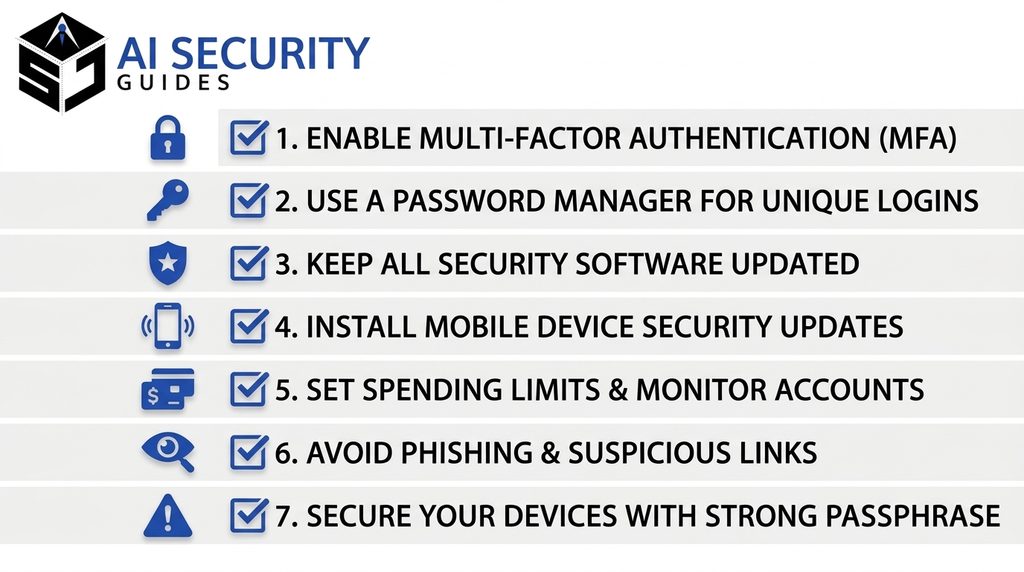
- Turn on two-factor authentication with an authenticator app or security key, rather than SMS.
- Enable withdrawal address whitelisting if your exchange offers it.
- Use a unique password from a password manager for every crypto account.
- Never share your recovery phrase. Real support staff will never ask for it.
- Store long-term holdings in a hardware wallet bought from an official source.
- Check your transaction history often, and report anything unfamiliar to official support right away.
- Watch for fake “hack refund” messages and urgent account warnings. Our guide on how phishing works explains how these messages are built.
- Report fraud to the FBI’s Internet Crime Complaint Center (IC3).
Frequently Asked Questions
How Much Did the Binance Hack 2026 Cost?
Binance estimated the loss from the Binance hack 2026 at about $6.3 billion in affected digital assets. Independent estimates were slightly higher. Because figures change as investigations continue, check the latest official update.
Is Bitcoin Safe After the Binance Hack 2026?
The Bitcoin network itself was not broken. The risk applied to funds held on the affected exchange. Bitcoin you control in your own wallet was not drained through this exchange breach.
Can Stolen Crypto Be Recovered?
Sometimes, but only partly and not reliably. Blockchain transactions are generally irreversible. Some stablecoin issuers can freeze tokens, exchanges can block linked accounts, and investigators can trace funds. Recovery is never guaranteed.
Are Exchange Users Protected From Hacks?
Protection depends on the platform. Binance said its SAFU fund and company money would cover losses in this case. Other exchanges have different policies, so read the terms carefully before you deposit funds.
How Can You Protect Crypto From Hackers?
Use a hardware wallet for long-term holdings, enable app-based two-factor authentication, keep your recovery phrase offline, and review your account activity every week. These habits work best together, so no single step is enough.
Conclusion
The Binance hack 2026 shows that even the largest exchanges can face serious attacks. The incident drained billions from hot wallets and raised hard questions about transaction approval and custody. The attack did not break Bitcoin, but it showed how exchange weaknesses affect ordinary users.
Protect what you own by limiting exchange balances, securing your accounts, and keeping recovery information private. Scammers often use major news to target people, so stay alert. For more practical guidance, read our guide to AI scams. For official security guidance, visit CISA.
Stay informed, verify before you trust, and protect your digital assets.